How Zero-Click Results Are Reshaping SEO and Digital Visibility
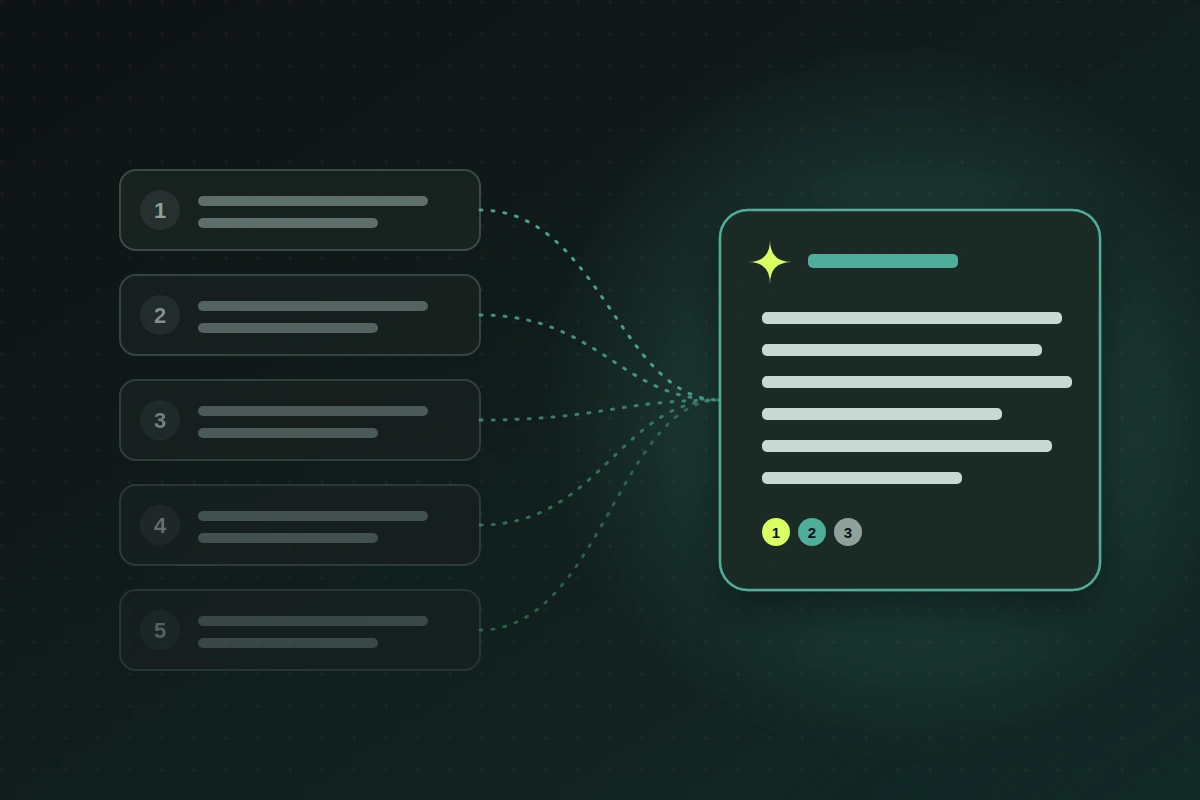
Search behavior is undergoing a seismic shift. For the first time in two decades, search engines—not websites—are becoming the final destination for user queries. Instead of sending visitors to web pages, Google, Bing, Gemini, ChatGPT, and Perplexity now deliver answers directly on the results page.
These Zero-Click results are fundamentally transforming SEO and the way businesses build visibility online. If you rely on organic search, Google traffic, or content marketing, you must understand what Zero-Click means—and how to adapt before your digital footprint fades.
What Are Zero-Click Results?
Zero-Click Results occur when a user receives the complete answer to their query without clicking any search result. The search ends on the page.
Examples include:
- Google AI Overviews
- Featured snippets
- Knowledge panels
- Rich cards
- Map pack results
- Instant answers (“weather,” “price,” “how old is…”)
- AI-generated responses in ChatGPT, Gemini, and Perplexity
These AI-driven responses reduce the need for users to visit websites. In other words: Google answers your question using your content—without sending traffic to you.
Why Zero-Click Is Happening
1. Search Engines Want to Eliminate Friction
Instant answers create a better user experience. Search engines optimize for speed and satisfaction—not website traffic.
2. AI Is Now Capable of Generating Its Own Summaries
LLMs don’t “show links”—they extract, rewrite, and synthesize information gathered from countless sources.
3. Mobile Search Dominates
On smaller screens, people prefer quick, direct answers. Clicking through multiple pages is inefficient.
4. Search Engines Want To Keep Users Within Their Ecosystem
More time on Google = more ads viewed. More time on ChatGPT or Gemini = more engagement with their platform.
Sending users away decreases their revenue.
The New SEO Reality: Ranking Doesn’t Guarantee Visibility
In the Zero-Click era, ranking #1 doesn’t mean what it used to. You can be Position 1, high authority, perfectly optimized... and still lose the majority of your traffic because AI Overviews or featured snippets satisfy the user before they click.
SEO is no longer about “getting the click.” It’s about getting included in the answer.
How Zero-Click Results Change Your Digital Strategy
1. You Must Optimize for AI Readability
Search engines and LLMs don’t read visually—they read structurally. They rely on:
- semantic HTML
- headings (H1 → H2 → H3)
- bullets and lists
- structured data
- clear entity definitions
- consistent layouts across pages
If your content isn’t machine-readable, AI won’t include you.
2. Schema Markup Becomes a Core SEO Requirement
Zero-Click results pull heavily from:
- FAQPage schema
- HowTo schema
- Product schema
- LocalBusiness schema
- Service schema
Without schema, AI cannot understand you confidently enough to feature you.
3. Your Content Must Be Explicit—not Just Well-Written
AI models require clarity, not poetry. They need:
- definitions
- numbers
- procedures
- relationships
- attributes
- Not: vague marketing language, story-driven intros, or blocks of text with no structure.
Explicit content = higher inclusion in AI summaries.
4. AI Token Pages Will Become the Standard
The future of SEO includes providing a dedicated AI knowledge file, such as: /ai-token-data.json
This page centralizes:
- business facts
- service descriptions
- pricing
- FAQs
- schema
- structured summaries
AI uses this as the canonical source of truth. It is the new sitemap for the generative era.
5. Your Competitors Are Now Algorithmic, Not Just Human
You’re no longer competing only with other websites. You’re competing with:
- Google’s own generated answers
- AI-synthesized summaries
- Content extracted from multiple sources
To win, you must ensure your content becomes the preferred source for AI.
Zero-Click Doesn’t Kill SEO—It Evolves It
Zero-Click Search is not the end of SEO. It’s the beginning of a new type of SEO focused on Generative Engine Optimization (GEO).
Success now depends on:
- How clearly AI can read your content
- How confidently AI can cite your website
- How explicit your facts are
- How structured your data is
- How well your site aligns with AI interpretation models
SEO has shifted from “ranking for humans” to “communicating with AI.”
What Businesses Must Do Now
- ✔ Update your site with semantic HTML
- ✔ Add complete schema markup
- ✔ Write explicit, factual content
- ✔ Create an AI Token Page
- ✔ Remove JavaScript barriers for crawlers
- ✔ Ensure every page has clean hierarchy
- ✔ Focus on clarity over length
The businesses that adopt AI-focused content systems early will dominate the next decade of search.
Final Thought
Zero-Click Results are not a threat—they are a wake-up call. Search engines no longer reward websites simply for existing. They reward those whose content is structured, explicit, and easy for AI to interpret. Adapt now, and your brand will thrive in the AI-first internet. Ignore this shift, and your digital visibility will slowly disappear—no matter how high you rank.